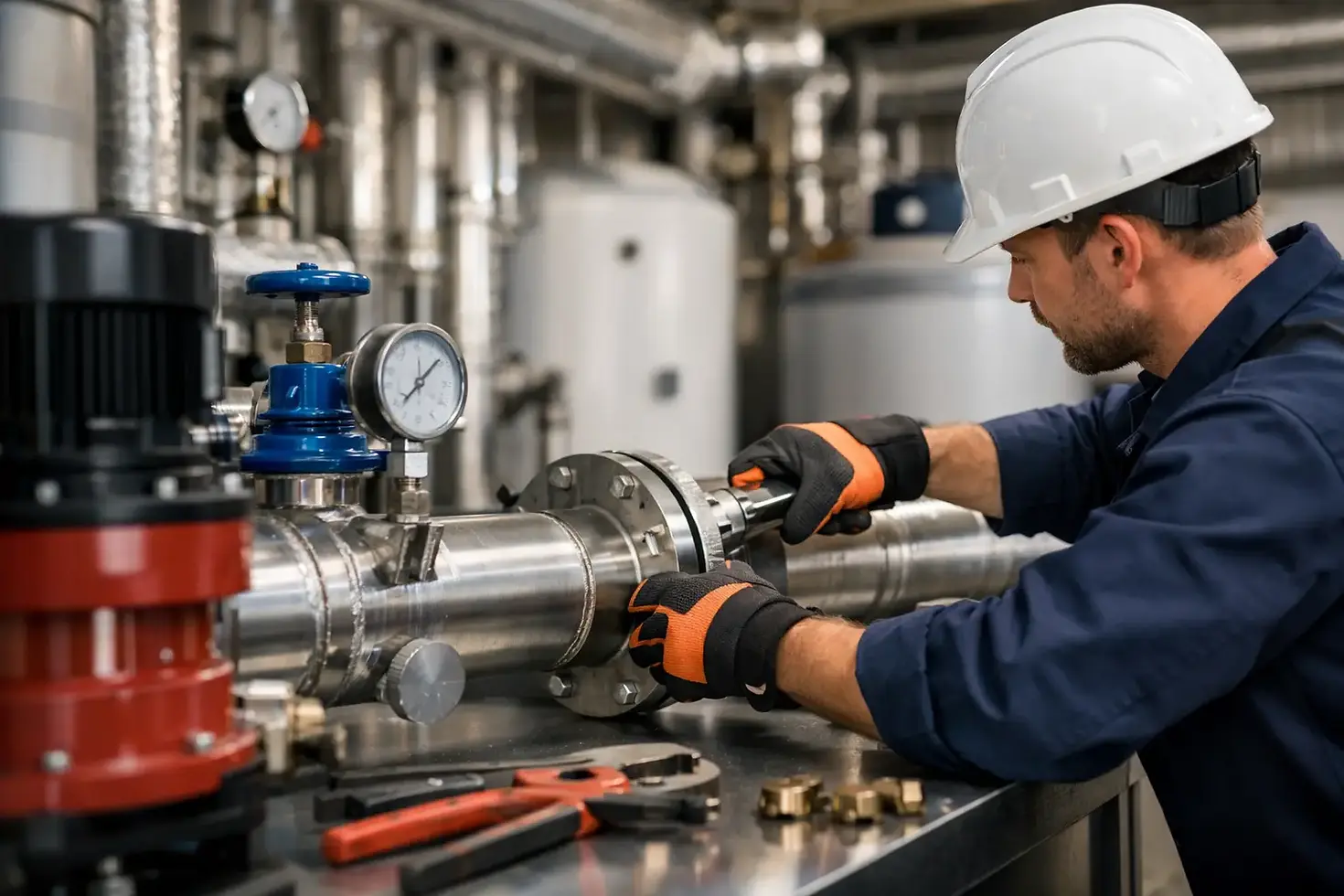
Commercial Plumbing Solutions That Last

A backed-up restroom during lunch rush, a leaking supply line in a tenant space, or a failed backflow device before an inspection can turn into lost revenue fast. That is why commercial plumbing solutions need to do more than fix the problem in front of you. They need to protect your building, your operations, and the people who depend on the space every day.
For business owners and property managers in the San Francisco Bay Area, plumbing problems are rarely just plumbing problems. A slow drain can become a sanitation issue. An aging water heater can disrupt staff and customers. A hidden pipe leak can damage walls, flooring, and equipment before anyone sees the full extent of it. The right plumbing support is not just about repairs. It is about response time, code compliance, planning, and work that holds up under daily commercial use.
What commercial plumbing solutions should actually cover
Commercial plumbing systems are more demanding than residential systems. They often serve more people, run longer hours, and operate under stricter code and safety requirements. A restaurant, office building, retail center, medical office, or multi-unit property may all need plumbing service, but the priorities can differ from one facility to the next.
That is why effective commercial plumbing solutions should cover both immediate repairs and long-term system reliability. In practice, that means handling common problems like clogged drains, leaking pipes, failing fixtures, sewer line issues, and water heater trouble, while also addressing specialized needs such as backflow testing, repair, and installation.
It also means understanding that one repair does not solve every risk. If a pipe bursts in one section of a commercial building, the real question is whether that line failed because of age, pressure, corrosion, poor installation, or another underlying issue. A quick patch may restore service for the day, but a more complete assessment can prevent repeat calls and expensive disruption later.
Why speed matters in commercial settings
In a home, a plumbing issue is stressful. In a business, it can stop operations altogether. Employees may be unable to use restrooms. Customers may leave. Tenants may file complaints. Health and safety concerns may trigger temporary closure or urgent cleanup.
Fast service matters because water damage spreads quickly and downtime is expensive. But speed alone is not enough. Commercial work needs to be done correctly the first time, especially when the repair affects drainage, water supply, or cross-connection protection. A rushed repair that fails inspection or creates a second problem is not a good value.
That balance of urgency and quality is what businesses should expect from a commercial plumber. You want a team that can respond quickly, identify the actual source of the issue, and complete the work to code without creating unnecessary delays.
Commercial plumbing solutions for common building problems
Some commercial plumbing issues are obvious the moment they happen. Others build slowly and show up as rising water bills, recurring drain backups, or tenant complaints.
Drain cleaning is one of the most common service needs in commercial spaces. Grease, paper products, food waste, soap residue, and debris can build up faster in business environments than many owners expect. If drains are slowing down in restrooms, break rooms, kitchens, or floor drains, that is usually a sign that buildup has already gone beyond a minor clog.
Pipe repair is another key service area. In older Bay Area buildings, aging pipes may be more vulnerable to leaks, corrosion, and pressure-related failures. In newer buildings, problems can still happen due to heavy use, shifting conditions, or installation defects. Spot repairs can make sense in some cases, but repeated leaks in different areas may point to a larger system issue.
Sewer and drain line support is especially important for commercial properties with multiple units or high daily occupancy. A sewer problem does not stay isolated for long. One backup can affect multiple restrooms, suites, or service areas at once. Early diagnosis helps reduce the chance of widespread interruption.
Water heater service also plays a larger role in commercial buildings than many people realize. Offices, restaurants, salons, gyms, and other facilities may depend on reliable hot water throughout the day. If water temperature is inconsistent or recovery time is slowing down, it is better to address the issue before the system fails completely.
The role of backflow protection in commercial plumbing
Backflow prevention is one of the most important parts of a safe commercial plumbing system, and it is often one of the most overlooked until a test or inspection is due. A backflow device helps protect the potable water supply from contamination caused by reverse flow. In many commercial settings, that protection is required and must be tested, maintained, and documented properly.
This is not an area where shortcuts make sense. A failed or neglected backflow assembly can create compliance problems and safety concerns at the same time. For property owners and facility managers, certified testing and repair are essential. If a device fails, timely repair or replacement helps avoid penalties and keeps the water system protected.
For businesses with irrigation systems, fire suppression connections, or specialized plumbing equipment, backflow protection may be even more critical. Requirements can vary depending on the property and use case, which is why it helps to work with a plumbing team that understands local expectations and inspection standards.
Preventive service saves money, but only when it is targeted
Preventive maintenance is worth it in commercial plumbing, but only if it is built around the actual demands of the property. Some buildings need more frequent drain cleaning. Others benefit more from scheduled inspections, leak checks, water heater service, or annual backflow support. The right schedule depends on occupancy, building age, business type, and history of past issues.
A restaurant, for example, may need closer attention to drains and grease-related buildup. A multi-tenant office property may be more focused on restroom reliability, leak prevention, and tenant satisfaction. A retail site may need to prioritize emergency readiness and fixture repairs that affect customer experience.
The goal is not to perform unnecessary work. It is to catch small issues before they become expensive emergencies. For many commercial properties, the biggest savings come from preventing water damage, avoiding business interruption, and extending the life of plumbing equipment that would otherwise fail under heavy use.
Choosing a provider for commercial plumbing solutions
Not every plumber is set up for commercial work. Businesses and property managers need a provider that can handle larger systems, urgent calls, and code-sensitive services without slowing down the job.
A good commercial plumbing partner should bring clear communication, dependable scheduling, and the ability to respond when a problem cannot wait. They should also be comfortable working in occupied spaces where timing, access, and minimal disruption matter. In many cases, the best service experience is not just about technical skill. It is about keeping tenants informed, coordinating with staff, and solving the issue with as little disruption as possible.
It also helps to look for breadth of service. If one company can handle emergency plumbing, pipe repair, drain cleaning, sewer support, water heater work, and certified backflow services, it is easier to manage ongoing building needs with one trusted point of contact. That consistency matters when problems happen after hours or when maintenance needs stack up across a property.
For Bay Area businesses, local knowledge matters too. Older infrastructure, varied building types, and strict compliance expectations can all affect how plumbing issues should be handled. A local provider is often better positioned to respond quickly and work with the realities of the area.
When to act before a plumbing issue gets worse
The warning signs are not always dramatic. Recurring clogs, unexplained water usage, foul odors near drains, inconsistent water temperature, visible staining, and low water pressure can all point to larger plumbing trouble. If the same issue keeps coming back, that usually means the root cause has not been fully addressed.
Waiting can be costly. What starts as a minor leak or partial blockage can turn into damage to walls, flooring, inventory, or equipment. It can also affect employee comfort, customer experience, and the reputation of the business itself.
Professional service at the right time gives you options. You may be able to repair a problem early, schedule work during off-hours, or avoid a more disruptive failure entirely. That is the value of treating commercial plumbing as part of facility protection, not just emergency cleanup.
When your building depends on safe, reliable water and drainage, the right plumbing support does more than restore service. It helps your business keep moving with fewer surprises, less risk, and more confidence in the systems behind the walls.


Comments