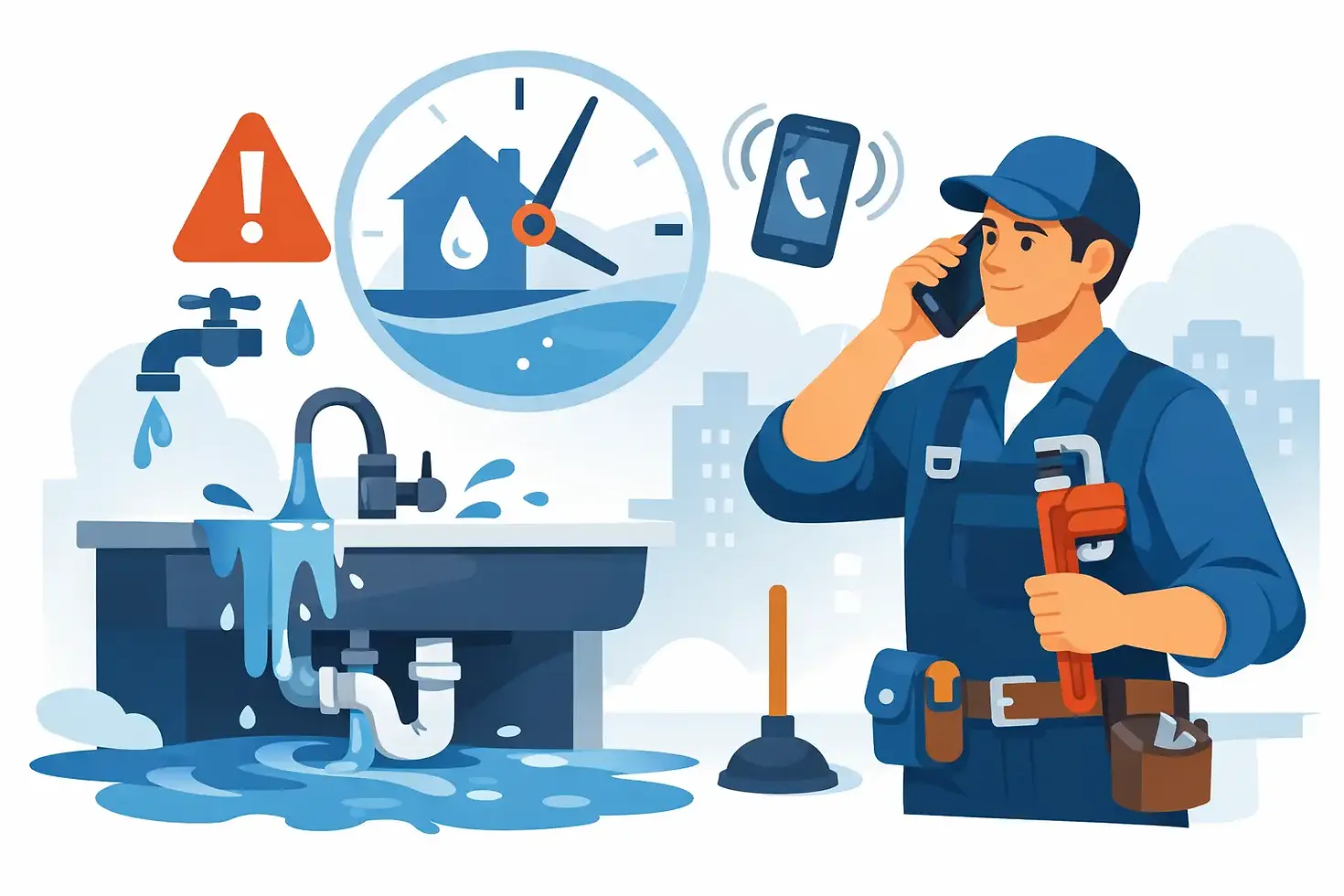
When to Call an Emergency Plumber

Water spreading under a bathroom door at 2 a.m. is not the time to wonder whether the problem can wait until morning. When a pipe bursts, a sewer line backs up, or a water heater starts leaking heavily, calling an emergency plumber quickly can be the difference between a manageable repair and serious property damage.
For homeowners, property managers, and business owners in the Bay Area, plumbing emergencies are rarely just plumbing problems. They can interrupt daily routines, shut down operations, damage floors and walls, and create health and safety concerns. Fast response matters, but so does knowing when the situation is truly urgent and what to do while help is on the way.
What counts as a plumbing emergency?
Not every plumbing issue requires immediate service, but some situations should be treated as urgent without hesitation. The clearest example is any problem that causes active water damage. A burst pipe, a broken supply line, or a major leak behind a wall can spread quickly and soak drywall, flooring, insulation, and electrical areas.
Sewage backup is another clear emergency. If wastewater is coming up through a drain, toilet, or floor cleanout, the issue is not only disruptive but also unsanitary. Exposure to contaminated water can create health risks for occupants and customers, especially in commercial spaces.
A complete loss of water can also be an emergency, depending on the property and the cause. In a home, it may point to a serious supply issue or hidden leak. In a restaurant, office, or multi-unit property, it can affect sanitation, operations, and tenant safety. The same goes for a failed water heater when hot water is essential for daily use or business compliance.
Gas water heater concerns deserve extra caution. If you notice the smell of gas, hear unusual sounds, or suspect a problem involving gas lines or combustion, the right move is immediate professional help. That is not a wait-and-see situation.
Signs you need an emergency plumber now
Some emergencies are obvious. Others start small and worsen fast. If you are unsure, the real question is whether waiting could increase damage, create unsafe conditions, or leave the property unusable.
Active leaks that will not stop
A slow drip under a sink may be annoying, but a steady stream of water from a pipe, fixture connection, or wall opening is different. If shutting off a local fixture valve does not stop the leak, or if the source is hidden, immediate service is the safer choice.
Overflowing toilets with no backup option
One clogged toilet in a home with multiple bathrooms may be inconvenient. One overflowing toilet in a single-bath home, retail location, or occupied commercial building can become urgent very quickly. If plunging does not solve the problem and water is rising, it is time to call.
Sewage odors or drain backup
A strong sewer smell, gurgling drains throughout the property, or wastewater backing up into tubs and floor drains often points to a larger drain or sewer issue. These problems tend to worsen, not improve, without professional equipment and diagnosis.
No water or no hot water in critical situations
Loss of hot water is not always an emergency, but it depends on who is affected and how the building is used. In a home, it may be urgent if there are vulnerable occupants. In a commercial setting, it can affect staff, tenants, health standards, and operations.
Water near electrical systems
If water is collecting near outlets, appliances, panels, or wiring, the risk goes beyond plumbing. Your first priority is safety. That type of situation should be treated seriously from the start.
What to do before the plumber arrives
Calling for help should be the first step, but a few actions can limit damage while you wait. The most useful thing you can do is shut off the water if it is safe to do so. For localized issues, that might mean turning off the valve under a sink or behind a toilet. For larger leaks, it may mean shutting off the main water supply to the property.
If the issue involves a water heater, turning off the unit can help prevent more damage. For electric systems, power should only be addressed if it is safe to access the breaker area. For gas-related concerns, leave the area and follow emergency safety guidance.
Move valuables, rugs, paper goods, electronics, and inventory away from the affected area if possible. In commercial spaces, block off the area to reduce slip hazards and protect customers or staff. If sewage is involved, avoid direct contact and keep people out of the area.
It also helps to note where the leak seems to be coming from, when it started, and whether any recent plumbing work or unusual sounds preceded it. That information can help the technician diagnose the issue faster on arrival.
Why emergency plumbing problems escalate so quickly
Water does not need much time to cause expensive damage. What starts as a pipe crack or failed fitting can spread into soaked subfloors, damaged cabinets, warped flooring, and mold-prone wall cavities. In multi-unit buildings or commercial properties, one leak can affect several spaces at once.
Drain and sewer emergencies follow a similar pattern. A partial blockage may first appear as a slow drain, then become a backup during the next heavy water use. By the time wastewater is appearing in multiple fixtures, the cleanup and repair work is often more involved.
The cost difference between early action and delayed response is usually not just about the plumbing repair itself. It often includes restoration, sanitation, downtime, tenant complaints, lost business, and code-related concerns. That is why a qualified emergency plumber focuses not only on stopping the immediate problem but also on identifying the cause and checking for related damage.
Residential and commercial emergencies are not always the same
In a home, the priority is usually protecting the structure and restoring daily function. Families need working toilets, reliable water, and safe plumbing as quickly as possible. Even a smaller issue can become urgent when it affects the only bathroom or creates leak damage in living areas.
In a commercial building, the stakes often include operational interruption, customer safety, and compliance. A drain backup in a restaurant, a failed restroom in an office, or a water line leak in a retail space can disrupt normal business fast. Property managers also have to think about tenant impact, common areas, and the risk of one unit affecting another.
That is why experience across both residential and commercial systems matters. Emergency work is not only about showing up fast. It is about diagnosing the problem correctly, making safe repairs, and understanding how the plumbing issue affects the building as a whole.
How to choose the right emergency plumber
During an emergency, people often make the understandable mistake of calling the first name they see. Speed matters, but qualifications matter too. You want a company that offers true 24/7 response, clear communication, and technicians who can handle more than a temporary patch.
Look for a plumbing team that is equipped for urgent leak repair, drain and sewer problems, water heater issues, and code-conscious work. For commercial properties and backflow-related concerns, certified expertise is especially important. The goal is not just to stop the immediate problem, but to restore safe, reliable plumbing service.
It also helps to work with a company that understands local property types, aging infrastructure, and the practical needs of Bay Area homes and businesses. In an emergency, local responsiveness and technical confidence make a real difference. That is a major reason customers call Superb Rooter & Plumbing when time matters.
The problems that can wait until business hours
A faucet that drips occasionally, a slow drain in a secondary sink, or a running toilet that can be isolated may not require overnight service. That said, there is a difference between waiting a few hours and ignoring the problem for days.
If you can safely shut off the fixture, contain the issue, and use the property normally, scheduling a prompt standard appointment may be enough. But if you are guessing, it is still worth calling and describing the symptoms. A professional can help you decide whether the problem is urgent or can wait.
That judgment matters because overreacting can be inconvenient, but underreacting can be costly. Plumbing problems are not always dramatic at first. Many emergencies begin as smaller warning signs that were easy to dismiss.
A good rule is simple. If the issue threatens the property, health, safety, or basic use of the plumbing system, do not delay. Quick action gives you more options, less damage to manage, and a better chance of resolving the problem before it spreads. When something feels wrong, trust that instinct and get the right help in place early.


Comments