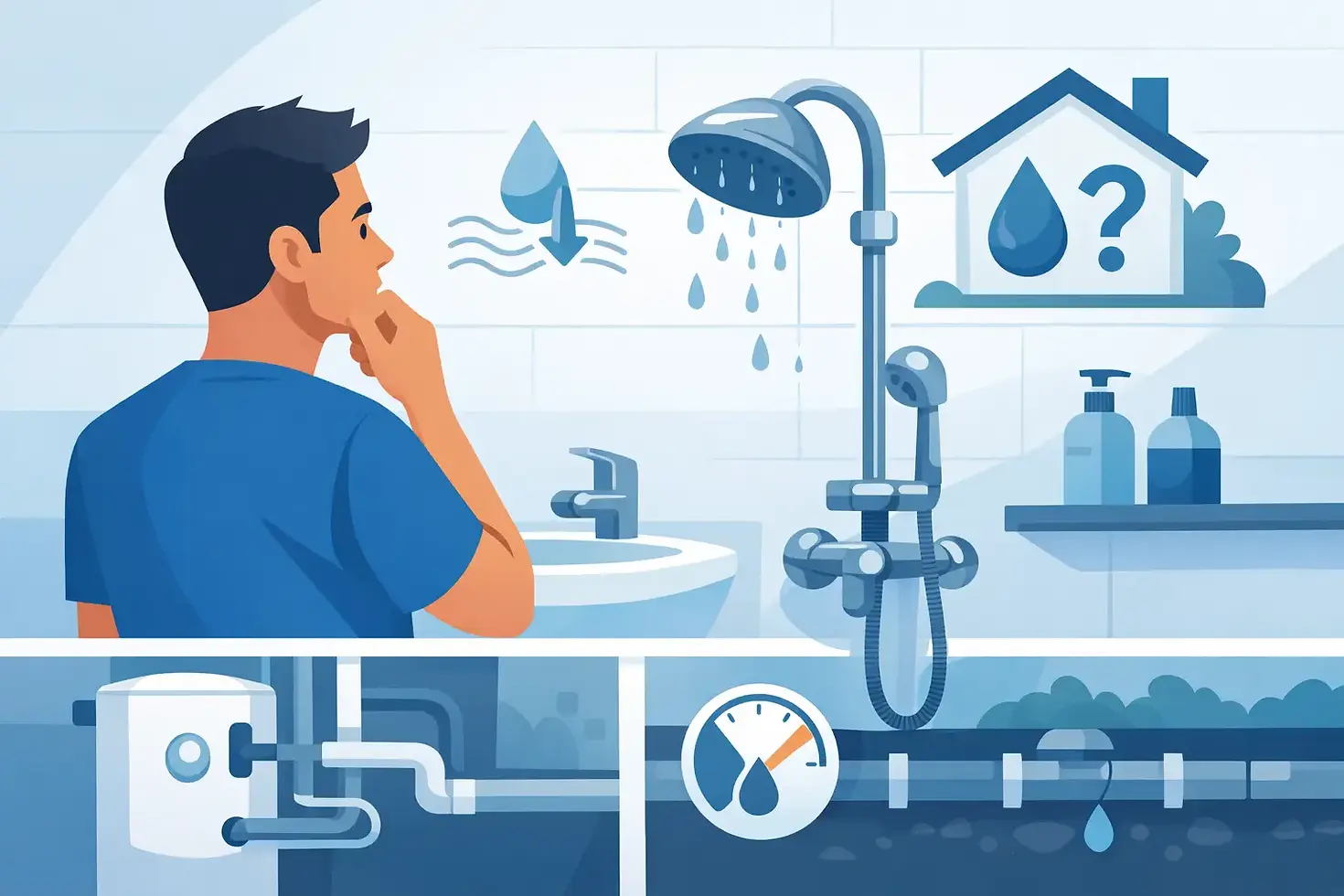
Why Is Water Pressure Suddenly Low at Home?

A shower that turns from steady to disappointing overnight, a sink that takes forever to rinse, or a commercial restroom with weak fixtures can interrupt the entire day. If you are asking, why is water pressure suddenly low, the cause may be as simple as a partially closed valve or as urgent as a hidden pipe leak. The key is identifying whether the problem affects one fixture, one part of the property, or every water outlet.
Low pressure is more than an inconvenience. It can signal water waste, equipment trouble, corrosion, or a supply issue that needs a prompt response. A few safe checks can help narrow down the cause, but persistent or property-wide pressure loss deserves professional attention.
Why Is Water Pressure Suddenly Low Throughout the Property?
When low pressure affects both hot and cold water at every faucet, shower, and appliance, start by considering the main water supply. A sudden, widespread drop usually points to an issue before the individual fixtures rather than a clogged showerhead.
A water shutoff valve is not fully open
The main shutoff valve is often located near the water meter, where the service line enters the building, or in a utility area. If it was bumped, partially closed during recent work, or never reopened completely after a repair, water flow can be restricted throughout the property.
A gate valve with a round handle should generally be turned fully counterclockwise to open it. A ball valve with a lever should have the handle parallel with the pipe. Do not force a stiff or corroded valve. Older valves can fail when handled, which can turn a pressure concern into an active leak.
The utility supply has changed
Water main repairs, hydrant use, construction, or a problem with the local water system can temporarily affect pressure. Ask nearby neighbors or adjacent tenants whether they have noticed the same issue. If they have, contact the local water provider for updates before assuming the problem is inside your plumbing.
For a business, this distinction matters. A building-side repair and a neighborhood supply issue require different next steps, and knowing the difference can reduce unnecessary downtime.
A pressure regulator is failing
Many Bay Area properties have a pressure-reducing valve, also called a pressure regulator, on the main water line. Its job is to keep incoming municipal pressure at a safe, usable level. When it fails, pressure may drop suddenly, fluctuate from hour to hour, or become noticeably weaker when more than one fixture is running.
A regulator is not a do-it-yourself adjustment project. Improper pressure can strain pipes, fixtures, water heaters, appliance hoses, and backflow assemblies. A qualified plumber can test the pressure, inspect the regulator, and set or replace it correctly.
A hidden leak is reducing available flow
A significant leak in a supply line can cause a sudden pressure decrease, especially when water is actively escaping somewhere behind a wall, under a slab, in a crawlspace, or in an irrigation line. Look for unexplained wet areas, the sound of running water, a water meter that continues moving when all fixtures are off, mildew odors, or a sharp increase in the water bill.
Treat a suspected hidden leak as a priority. Water can damage finishes, flooring, structural materials, and business inventory long before the leak becomes visible.
When Low Water Pressure Affects Only One Fixture
If other faucets have normal pressure, the plumbing supply to the building is likely fine. The problem is often localized at the fixture itself.
A clogged aerator is a common cause at sinks. The small screen at the end of the faucet can collect mineral scale, pipe sediment, and debris after utility work or plumbing repairs. Remove it carefully, clean it, and rinse it before reinstalling. If the faucet still has weak flow without the aerator, the fixture or its supply connection may need further inspection.
For showers, mineral buildup inside the showerhead can restrict flow. Soaking and cleaning the showerhead may restore performance. If it does not, check whether the shower valve has a partially closed service stop or a failing cartridge. Those components are best evaluated by a plumber, particularly if the fixture is older or the handle is difficult to operate.
Toilets can appear to have low pressure when the actual problem is weak flushing. That may be caused by clogged rim jets, a tank component issue, or a blockage in the drain line. Water pressure alone is not always responsible, so the symptom needs to be diagnosed accurately.
Low Hot Water Pressure but Normal Cold Water Pressure
When cold water flows normally but hot water is weak at one or more fixtures, focus on the hot water system. Sediment, scale, a restricted valve, or a deteriorating water heater connection can limit hot water flow.
First, confirm whether the issue appears at every hot-water fixture or only one. If it is limited to a single faucet or shower, the fixture cartridge, aerator, or local shutoff valve may be the culprit. If hot water pressure is low everywhere, the water heater or the hot-water distribution piping may be involved.
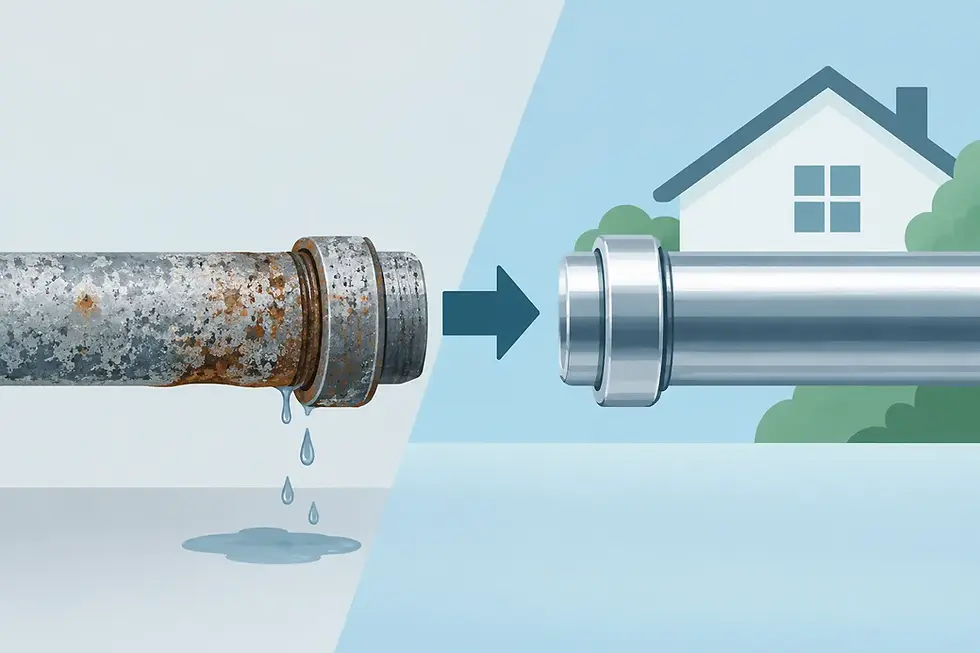
Older galvanized steel pipes are especially prone to internal corrosion. As corrosion builds inside the pipe, the opening narrows and flow declines. The pressure can seem to fail suddenly when accumulated scale finally reaches a point where it significantly restricts water movement. In those cases, cleaning a fixture will not solve the underlying problem. Pipe repair or repiping may be the more dependable long-term answer.
Safe Checks Before Calling a Plumber
A few observations can help you describe the issue clearly and speed up the diagnosis. Avoid taking apart valves, water heater connections, or pressurized plumbing if you are not trained to do so.
Check whether low pressure affects hot water, cold water, or both.
Test several fixtures, including one close to where water enters the property and one farther away.
Ask a neighbor, tenant, or property manager if they are experiencing a similar pressure change.
Look for leaks, damp areas, unusual sounds, or a moving water meter when no water is being used.
Note whether the issue began after construction, a utility interruption, plumbing work, or a water heater service.
For commercial properties, also consider whether the problem affects a single restroom, a floor, a tenant space, or the entire facility. That detail helps separate a localized branch-line issue from a building-wide supply concern.
When Sudden Low Pressure Is an Emergency
Call for prompt plumbing service if low pressure occurs alongside visible leaking, water damage, discolored water, banging pipes, a loss of water at all fixtures, or a sudden change after a pipe breaks. Shut off the main water supply if you can safely do so and water is actively entering the property.
Do not ignore pressure loss near a water heater, backflow preventer, or commercial plumbing equipment. These systems have safety and code-compliance requirements, and an incorrect repair can create larger problems. A certified professional can identify the cause without putting your water system or property at risk.
Superb Rooter & Plumbing provides responsive plumbing support for homeowners, property managers, and businesses throughout the San Francisco Bay Area. Whether the issue is a restricted fixture, failed pressure regulator, concealed leak, damaged pipe, or water heater connection, a proper inspection can replace guesswork with a clear repair plan.
Sudden low pressure is your plumbing system asking for attention. Address it early, document what changed, and get qualified help before a small loss of flow becomes water damage, disruption, or a more costly repair.


Comments