
What Does a Residential Plumber Do?

A leaking pipe under the sink can turn a normal afternoon into a cleanup job fast. When that happens, many homeowners ask the same question: what does a residential plumber do, and when should you call one instead of trying to fix it yourself?
A residential plumber works on the plumbing systems inside and around homes. That includes water lines, drain lines, fixtures, water heaters, toilets, garbage disposals, and in many cases sewer connections. Their job is to keep clean water moving in, wastewater moving out, and every part of the system working safely, efficiently, and up to code.
For Bay Area homeowners, that role matters more than people sometimes realize. A small plumbing issue can waste water, raise utility bills, damage cabinets and flooring, or create a bigger repair if it gets ignored. A qualified plumber does more than stop the immediate problem. They find the cause, make the repair correctly, and help protect the home from repeat issues.
What does a residential plumber do day to day?
Most residential plumbing work falls into three categories: repairs, installation, and maintenance. Some calls are urgent, like a burst pipe or overflowing toilet. Others are planned, such as replacing a water heater, upgrading fixtures, or inspecting aging pipes before they fail.
On a typical day, a residential plumber may diagnose a hidden leak behind a wall in the morning, clear a backed-up kitchen drain in the afternoon, and finish with a toilet replacement or water heater service call. The work changes from house to house, but the goal stays the same - restore safe, dependable plumbing with as little disruption as possible.
A good residential plumber also spends time assessing the system as a whole. For example, a clogged drain may not just be a clogged drain. It could point to grease buildup, pipe damage, or a developing sewer line problem. Fixing symptoms without checking the source can leave the homeowner dealing with the same issue again weeks later.
Common services a residential plumber handles
Leak detection and pipe repair
Leaks are one of the most common reasons homeowners call a plumber. Some are obvious, like water dripping from a pipe under the sink. Others are harder to spot, such as slab leaks, wall leaks, or slow pipe seepage that shows up as staining, warped flooring, or higher water bills.
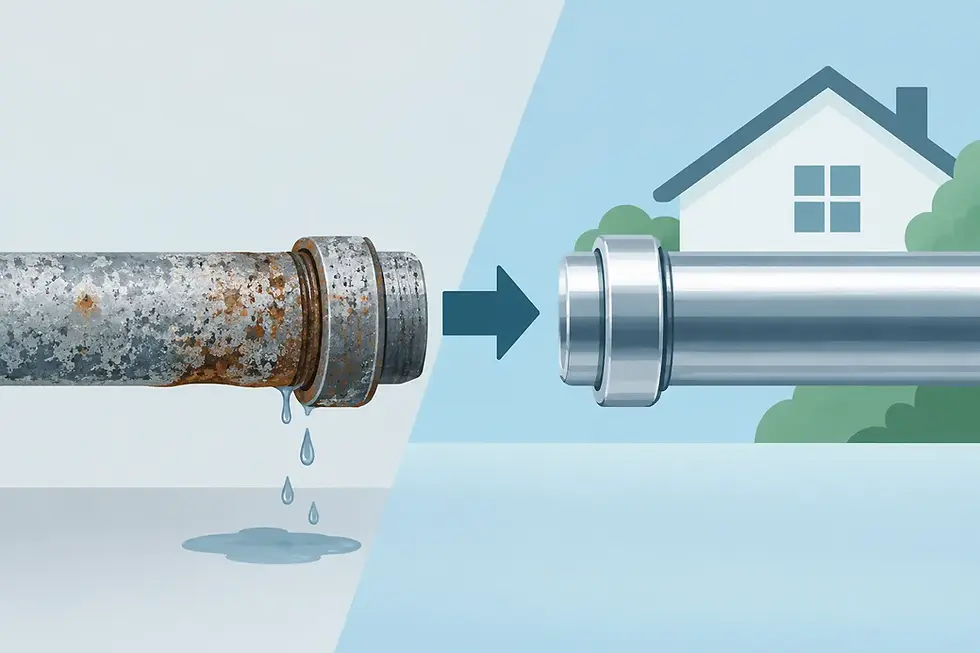
A residential plumber finds the source of the leak, determines whether the pipe can be repaired or needs replacement, and makes sure the fix meets current plumbing standards. In older homes, especially in parts of the Bay Area, pipe material and age can affect the right repair method. Sometimes a small section can be replaced. Other times, repeated leaks are a sign the line is reaching the end of its service life.
Drain cleaning and clog removal
When sinks, tubs, or showers drain slowly, the cause is often buildup from soap, grease, hair, or debris. Toilets can also back up from excess paper, foreign objects, or deeper blockage in the drain line.
A residential plumber clears clogs safely and checks whether the problem is isolated or part of a larger drainage issue. That distinction matters. A single slow bathroom sink may be a local blockage. Multiple drains backing up at once can point to a main line problem, which needs faster attention.
Toilet, faucet, and fixture repair
Many residential plumbing calls involve fixtures that homeowners use every day. Toilets that keep running, faucets that drip, shower valves that stop mixing hot and cold properly, and loose or corroded fixtures all fall under residential plumbing service.
These issues may seem minor, but they can waste water, affect pressure, and wear down surrounding plumbing connections. In some cases, a repair is enough. In others, replacement makes more sense, especially if the fixture is old, inefficient, or no longer reliable.
Water heater service and installation
Hot water problems are another major part of residential plumbing work. If the water heater is producing inconsistent hot water, making unusual noises, leaking, or failing completely, a plumber can inspect the unit and recommend repair or replacement.
This includes both traditional tank water heaters and tankless systems. The right option depends on household size, usage patterns, energy goals, and the home's plumbing setup. Installation is not just about swapping equipment. It also involves venting, gas or electrical connections, water line hookups, safety controls, and code compliance.
Sewer line support
Residential plumbers also deal with sewer and main drain issues. If a home has frequent backups, sewage odors, gurgling drains, or water backing up at the lowest fixtures, the problem may be beyond the fixtures inside the house.
Sewer line work can involve inspection, blockage removal, repair, or replacement. Tree roots, pipe shifts, corrosion, and grease buildup are all common causes. This kind of issue is not one to put off. The longer it sits, the greater the risk of property damage and sanitation concerns.
Installation work is part of the job too
People often think of plumbers only when something breaks, but a large part of residential plumbing is installation. That includes new sinks, toilets, faucets, garbage disposals, water lines for refrigerators, water heaters, and whole-home plumbing updates during remodels.
A proper installation matters because even high-quality fixtures can fail early if they are connected incorrectly. Poor seals, improper venting, loose supply lines, and code violations can all create expensive problems later. A licensed residential plumber installs components to perform correctly from day one and checks for issues that may not be visible to the homeowner.
For remodels and home upgrades, plumbers also coordinate with other trades when needed. That helps keep the project moving while making sure the plumbing layout supports the finished kitchen, bathroom, or laundry space.
Emergency calls are a major part of residential plumbing
Some plumbing issues can wait a day or two. Others cannot. Burst pipes, major leaks, sewer backups, overflowing toilets, and no hot water during critical times often require immediate service.
This is where an experienced residential plumber provides real value. Fast response helps limit water damage, reduce downtime, and prevent a small failure from becoming a major restoration project. Emergency plumbing is not just about arriving quickly. It is about diagnosing the issue under pressure, shutting down the risk, and making a repair that holds.
For homeowners and property managers, that level of support matters most when the problem happens after hours or without warning.
What a residential plumber does that DIY often misses
There are simple plumbing tasks many homeowners can handle, like replacing a showerhead or using a plunger on a minor toilet clog. But once the issue involves hidden leaks, pressurized water lines, sewer connections, hot water equipment, or recurring drain problems, the margin for error gets much smaller.
A residential plumber brings training, tools, and code knowledge that DIY fixes often lack. They can identify whether a visible issue is only the surface problem. They also know when a repair is safe and cost-effective and when replacement is the smarter long-term choice.
That does not mean every issue requires the most extensive solution. Sometimes a straightforward repair is exactly right. Other times, especially with aging pipes or repeated service calls, patching one area may only delay a bigger problem. A dependable plumber explains those trade-offs clearly so the homeowner can make an informed decision.
Why code compliance matters in residential plumbing
Home plumbing is not just about convenience. It is also about health, safety, and protecting the water supply. Residential plumbers work within plumbing codes designed to prevent contamination, leaks, venting problems, improper drainage, and unsafe installations.
This becomes especially important for water heaters, repiping, drain and sewer work, and backflow-related protection where applicable. Work that is not done correctly can lead to failed inspections, insurance issues, or expensive corrections later. Professional service helps homeowners avoid those risks while keeping the system reliable.
When to call a residential plumber
If you notice recurring clogs, weak water pressure, discolored water, a spike in the water bill, water stains, sewer odors, or loss of hot water, it is time to have the system checked. Waiting can turn a manageable repair into structural damage, mold growth, or a more disruptive plumbing failure.
For planned work, it also makes sense to call before a fixture or water heater fails completely. Replacing equipment on your schedule is usually easier than dealing with an emergency outage.
At Superb Rooter & Plumbing, that is how we approach residential service - with prompt support, clear communication, and repairs or installations done the right way for long-term peace of mind.
A residential plumber does more than fix pipes. They help keep your home safe, functional, and ready for everyday life, which is exactly what good plumbing should do.


Comments